
Serving Illinois, Iowa, and Missouri
CARPET & FLOOR CLEANING
Residential Floor Cleaning Services
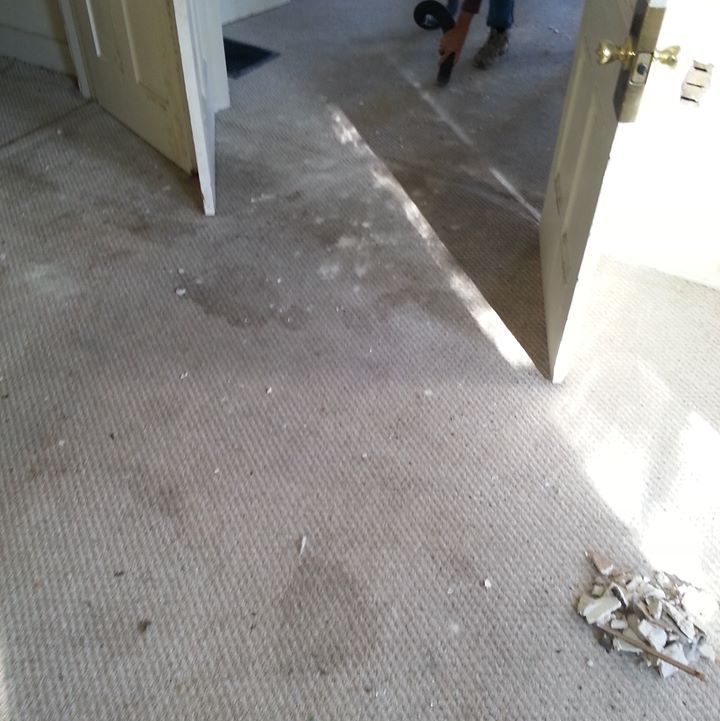
Before
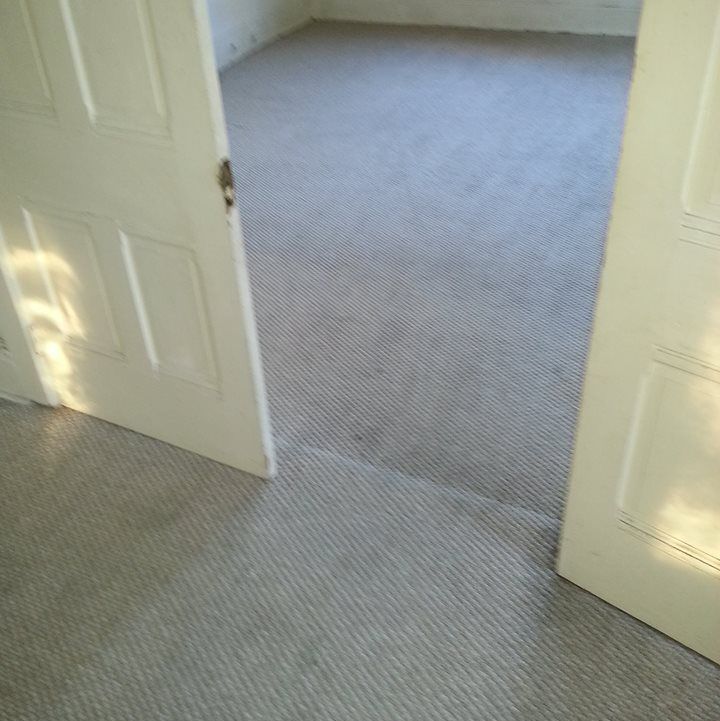
After
What are the facts about carpet cleaning?
FACT#1
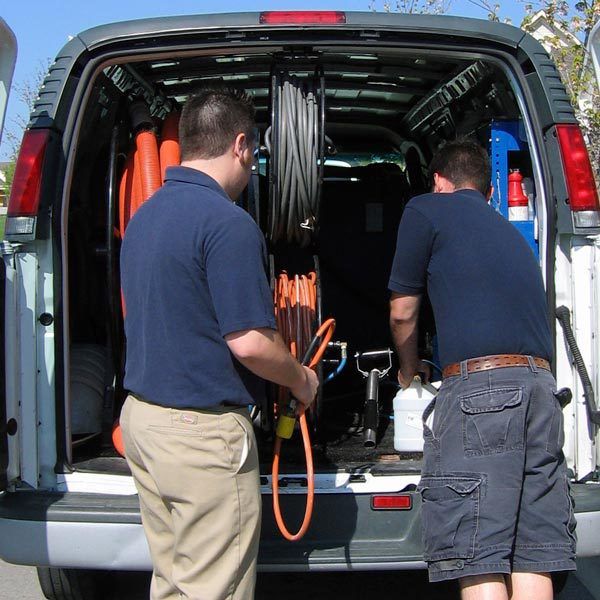
- Over ninety percent of the Professional Carpet Cleaners use Hot Water Extraction (Steam) Cleaning as their primary methods for residential carpet cleaning.
FACT#2
- No carpet cleaning method removes all soiling. Hot Water Extraction (Steam) Cleaning, when done properly by a trained, certified professional cleaner, is the most effective carpet cleaning method for removing the greatest percentage of soiling.
FACT#3
- No carpet cleaning method leaves no cleaning solution or moisture residue. Hot Water Extraction is the only method that uses water to freely rinse cleaning solutions from the carpet the same way you use water to rinse your fabrics when they are cleaned in a clothes washer. Hot Water Extraction, used properly, leaves the least amount of residue behind after cleaning.
FACT#4
- Hot Water Extraction contributes to a healthier indoor environment by extracting soil, pollutants, allergens, and sources of bacteria and odor to the outside.
FACT#5
- Many so called "dry" carpet cleaning methods mix their cleaning chemical with water. Other "dry" cleaning chemicals contain strong solvent chemicals which may actually be harmful if used improperly. Most "dry" cleaning methods are primarily recommended by fiber producers and carpet mills for appearance maintenance cleaning only of commercial carpets.
FACT#6
- Today's "Vacuum Balanced" Hot Water Extraction Cleaning not only is the most effective method of doing the best job of cleaning carpets, it dries faster than ever before, usually within 4 hours.
Don't hesitate to contact us with any questions. We're ready to serve you!
Commercial Floor Cleaning Services
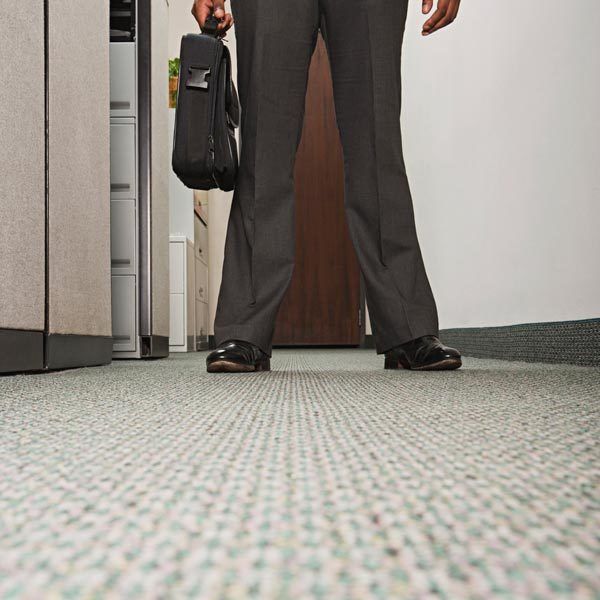
Almost every spot can be removed if taken care of immediately.
The longer the spill is allowed to dwell on the carpet, the more chance there is of permanent discoloration.
- Blot up excess spill with absorbent towel
- Blot again with dampened towel and a few drops of mild detergent
- Blot once more with a dry towel. Some spots and spills require the professional equipment, cleaning agents, and skills of a professional carpet cleaner for proper removal. Repeated attempts to remove the spot may set the stain or cause permanent damage. Contact your professional cleaner for further advice.
Soil tracking control
- Place doormats at the entrances of your business. This will help prevent outside soil from being "tracked" onto and collecting your inside carpeting.
Periodic professional cleaning
- Commercial carpeting may require periodic professional deep cleaning combined with interim maintenance cleaning methods such as bonnet, dry foam, or dry powder for maximum performance and appearance.
If you recognize that cleaner carpets look better, last longer, and are healthier, and you as a business want to deal with a company that knows their business, give us a call. We'll provide you with more than a free, no obligation, estimate. We'll provide you with a program... with advice... with assistance... with help. After all, we want you to be our client.
- Quality
- Service
- Training
- The right equipment
- The right cleaning solution
- The right program
You've found the right cleaning company.